Structural condition and movement are rarely questioned without cause. This solution is applied when concern exists around how a structure is behaving, how that behaviour may evolve over time, and what the implications could be if change progresses unchecked.
Phase supports engineers, operators, and asset owners who require clear, defensible evidence to inform decisions on continued operation, intervention, or restriction. The focus is not observation for its own sake, but establishing understanding where uncertainty carries consequence.
The challenge
Structural behaviour is often difficult to interpret in isolation. Movement may be gradual, access may be constrained, and visual condition alone may not indicate whether change remains acceptable or is trending toward a critical threshold.
In offshore environments, parameters such as platform tilt or air gap can directly influence operational safety and insurer confidence. In onshore and infrastructure settings, concern may arise from deformation, settlement, damage progression, or changes following construction or modification activity.
Without timely evidence, teams risk either acting too late — when options are limited — or intervening prematurely, incurring unnecessary cost and disruption. The challenge is knowing when behaviour is acceptable, when it is changing, and when action is justified, before decisions are forced under pressure.
Observed Structural Condition
Behaviour Over Time
Access-Constrained Observation
Evidence for Critical Decisions
Third-Party & Insurer Confidence
What this solution supports
Structural Condition & Movement Monitoring is applied where evidence is required to support high-consequence decisions, including:
Assessment of structural condition where concern exists
Observation of movement, deformation, or settlement over time
Understanding the impact of construction or modification activity
Support to decisions on continued operation, restriction, or intervention
Evidence generation where third-party or insurer confidence is required
This solution supports decision-making. It does not replace asset integrity ownership, certification, or regulatory authority.
Structural Monitoring in Practice
The examples below illustrate how structural condition and movement are typically supported in practice. Observation approaches are selected to suit access, risk, and consequence, and are used to generate evidence that informs clear engineering decisions.
Observed Structural Condition
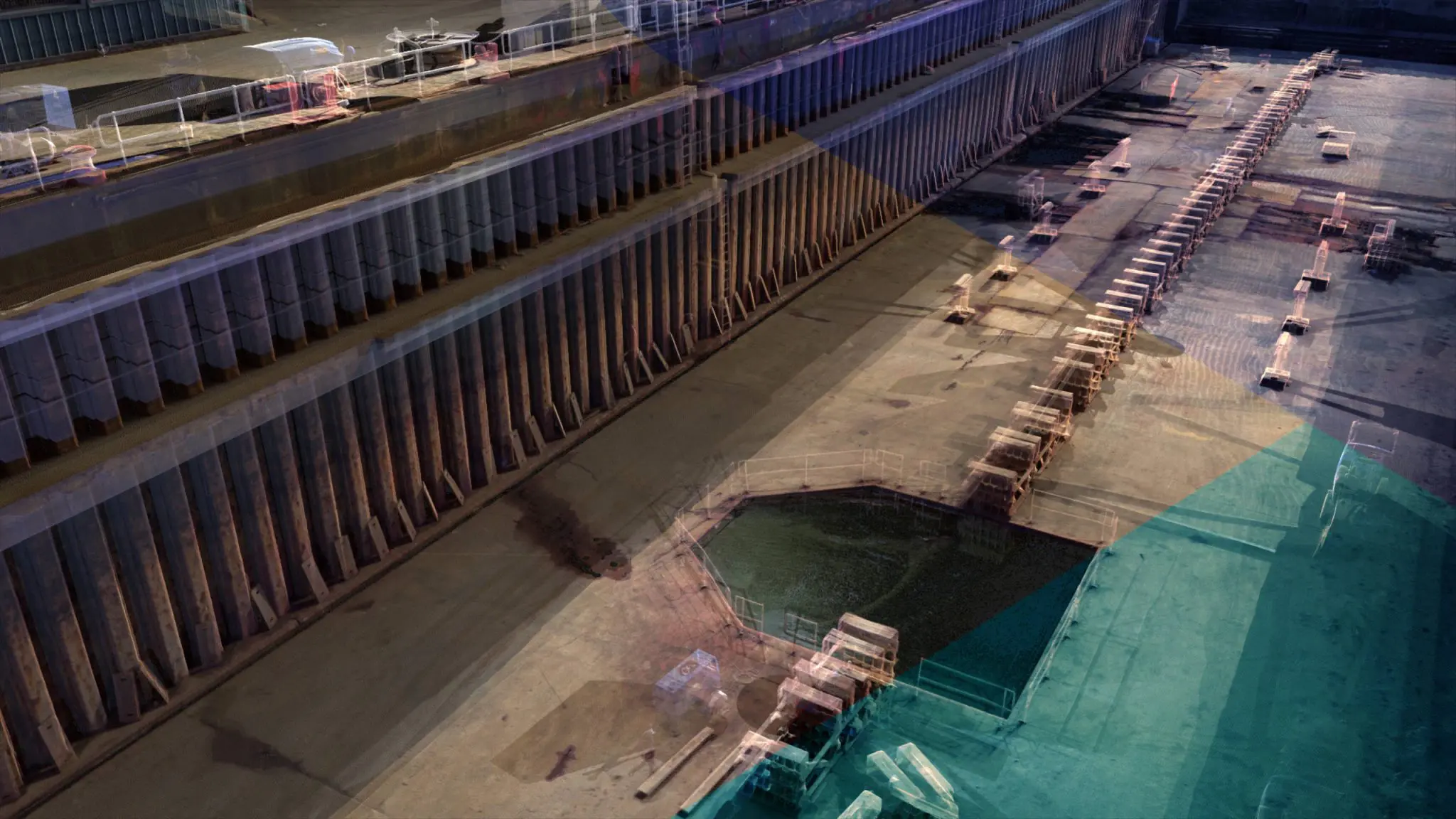
Visual condition recorded where concern exists around damage or degradation.
Measured Movement & Deformation
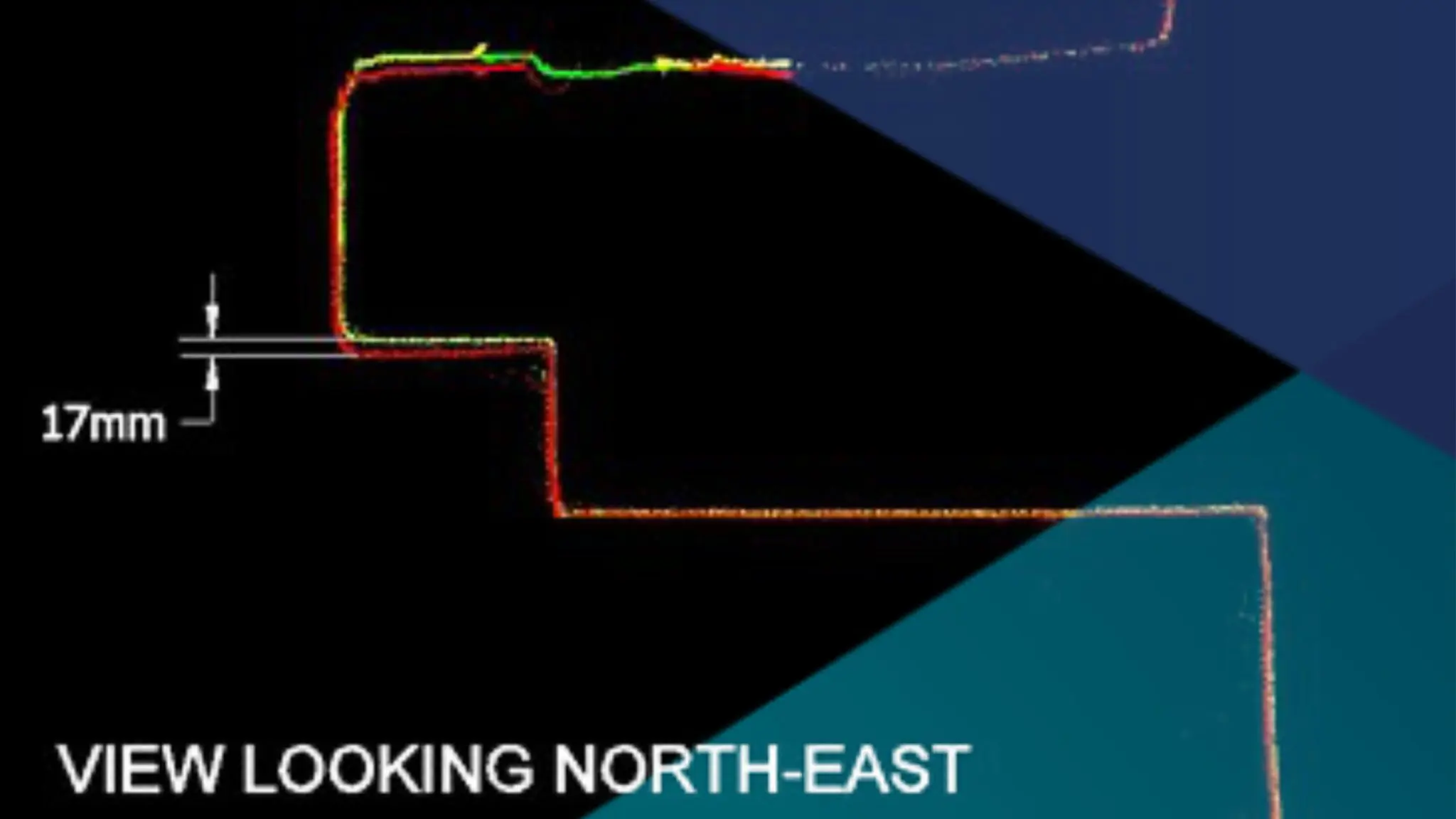
Change in position or geometry observed and compared over time.
Remote Access Condition Review
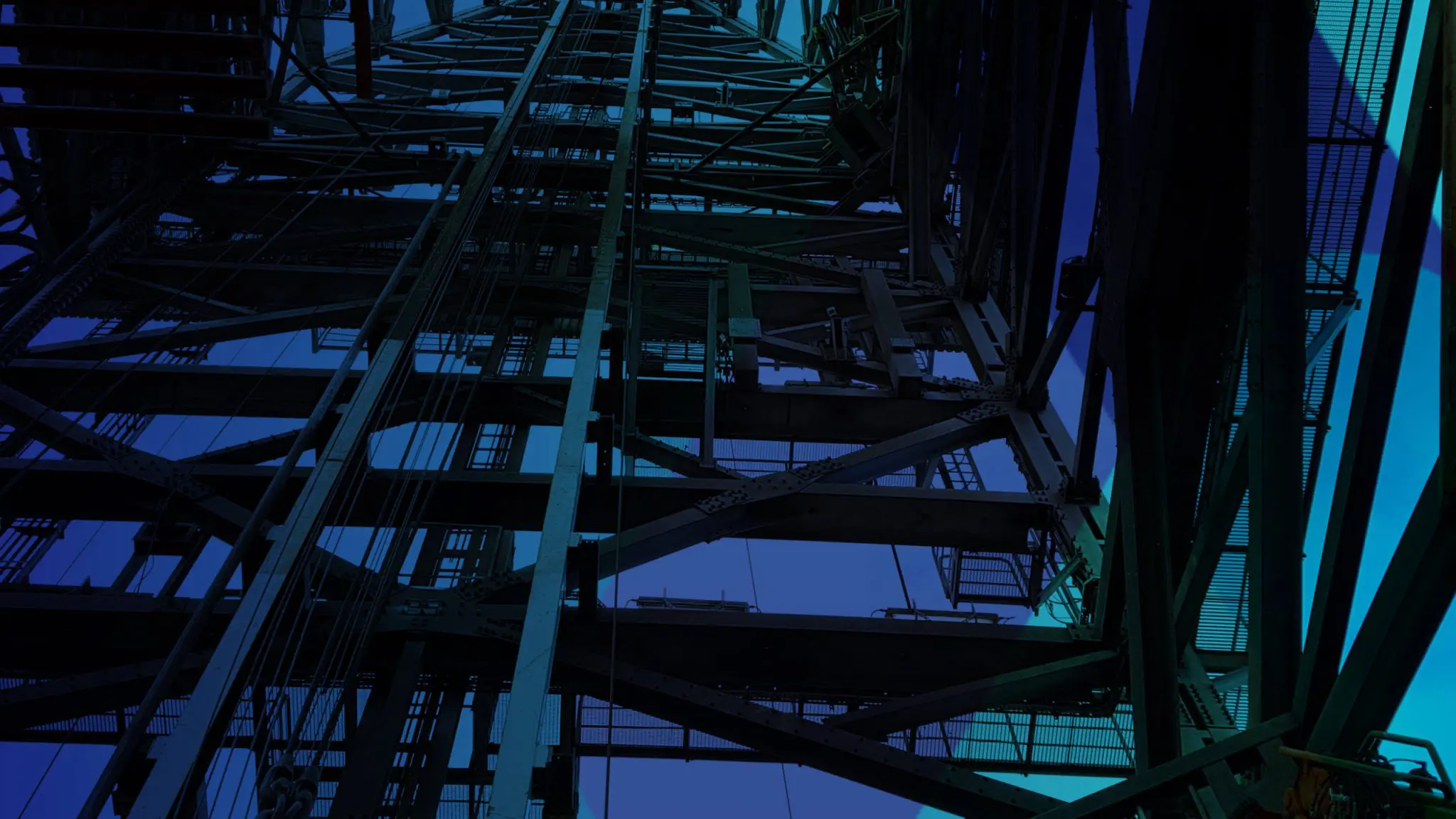
Condition assessed where direct access is limited or unsafe.
Offshore Tilt & Elevation Observation
Key parameters observed where operational limits or insurance thresholds apply.
Comparative Records Over Time
Defensible records maintained to support interpretation and decision-making.
The Outcome
Teams gain clarity over how a structure is behaving and whether that behaviour remains acceptable. Decisions on continued operation, intervention, or escalation are supported by evidence rather than assumption.
Where insurer or third-party confidence is linked to observed behaviour, defensible records are available to demonstrate that structural parameters have been understood and considered. Monitoring is applied for as long as uncertainty exists — and stops when the decision is no longer in doubt.
Phase operates from Aberdeen, supporting structural condition and movement monitoring across offshore and onshore environments throughout Scotland and the UK.
Discuss the concern
If concern exists around structural condition or movement, early support can prevent uncertainty from escalating into disruption or enforced shutdown.