A well management company was planning a 180-day plug and abandonment decommissioning campaign on a Semi-Submersible Drilling Rig, involving the retrieval of 7 subsea tree structures of two different types.
Before the campaign could proceed, Phase was engaged to verify that the equipment would physically work through the moonpool on that specific rig — fit, clearance, handling sequences, and interface compatibility across the moonpool area, Normar Carrier.
For subsea engineers and operators, the available space and handling equipment within a moonpool is not always fully understood ahead of a campaign. The consequences of discovering a physical conflict offshore — during a live decommissioning operation — are significant.
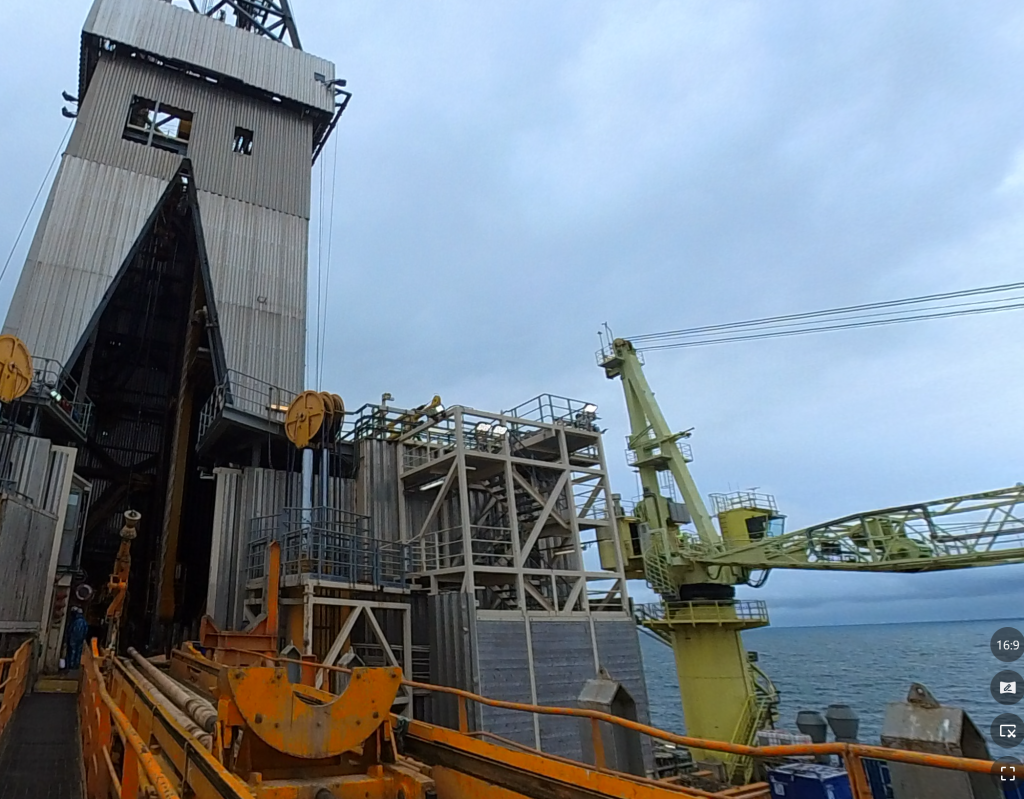
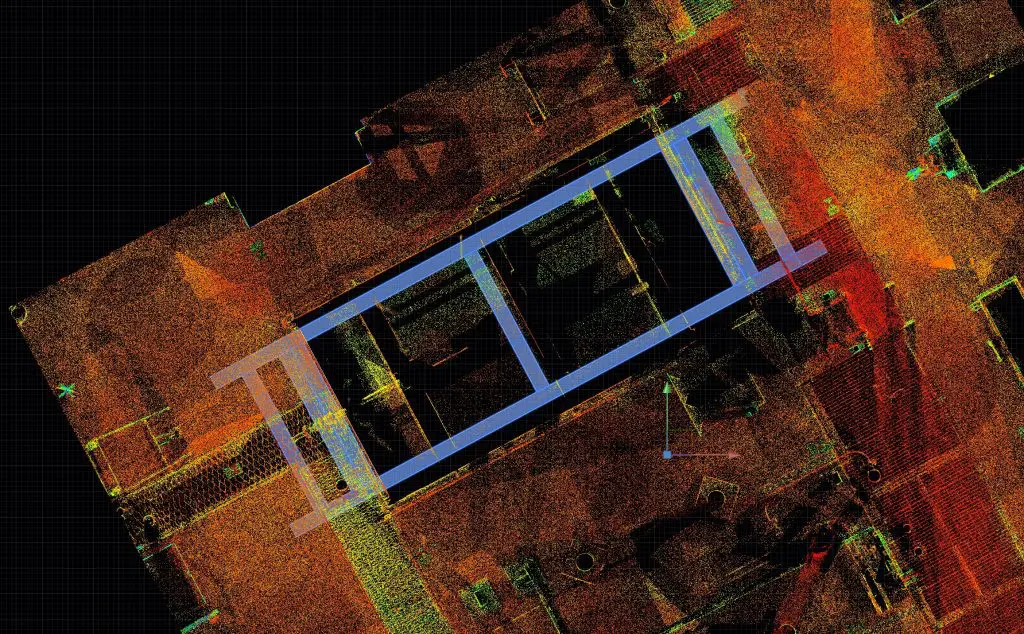
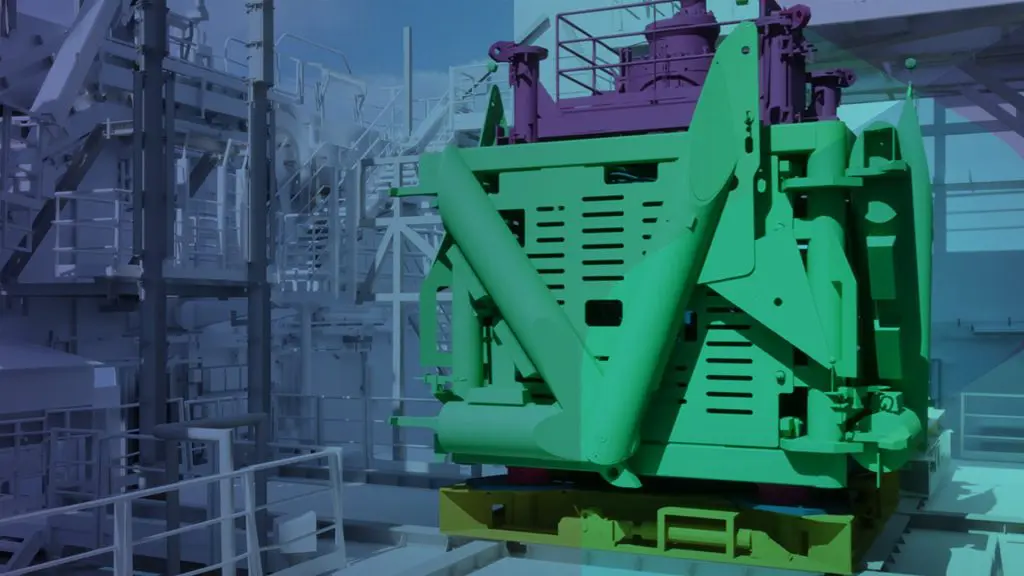
Phase travelled to the rig and carried out a laser survey of the moonpool area, starboard laydown area, and handling equipment. Using scan data, 3d models, combined with equipment drawings, Phase carried out interface and clash checks, agreed deployment sequences and stacking assemblies, and identified all key interface locations.
During this process Phase identified that the subsea trees could not be lifted into the moonpool using the existing BOP Normar Carrier — a critical finding that would have been discovered offshore during a live campaign without this verification work.
A 180-day offshore P&A decommissioning campaign involving 10 subsea tree retrievals.
Any interface conflict discovered offshore would have been programme-defining — with rig time, mobilisation costs, and campaign schedule all at risk.
Phase identified and resolved the conflict onshore before a single day of rig time was committed.
Phase designed a bespoke support frame that straddled the Normar Carrier — allowing the subsea trees to be lifted into the moonpool and land on their funnels.
Removable guidance posts fitted to the frame provided safe restraint for transporting the carrier back to the setback area, where the trees were lifted off by crane.
The frame was designed to work within the height and width constraints of the moonpool — constraints that are not always visible until the physical conditions are verified.
Phase oversaw the fabrication, painting, and delivery of the frame to the rig. Installation on the carrier used the retractable angel wings on the Normar Carrier as support. When the frame landed on the carrier it fitted exactly as designed — no adjustment required, no issues on installation.
Phase storyboarded the entire operation — producing rendered images and animations of the full deployment sequence including the AGR CWOR subsea stack consisting of EDP and LRP for VXT removal. All parties were aligned around a shared, verified understanding of the operation before mobilisation. No physical surprises offshore.

Moonpool area, starboard laydown, and handling equipment captured to establish verified physical conditions before interface checks proceeded.

Scan data and equipment drawings used to verify deployment sequences, identify interface locations, and confirm that the subsea trees could be safely handled through the moonpool

Phase established that the subsea trees could not be lifted into the moonpool using the existing Normar Carrier — resolving a conflict that would otherwise have been discovered offshore.

A support frame designed to straddle the Normar Carrier, allowing trees to land on their funnels with removable guidance posts for safe transport to the setback area

Frame fabricated, painted, and delivered to rig. Installed on the carrier angel wings — fitted exactly as designed.

Full deployment sequence storyboarded with rendered images and animations — ensuring all parties shared the same understanding before mobilisation.

The frame was deployed on all 7 subsea tree retrievals across the 180-day campaign. No physical surprises. No interface issues offshore.
Moonpool geometry and available handling equipment are not always fully understood by subsea engineers and operators ahead of a campaign.
Phase exists to fill that gap — establishing what’s physically possible before commitment is made, and resolving conflicts before they become offshore problems.”
The critical finding — that the trees could not be lifted using the existing carrier — was identified onshore through verified scan data and interface checks. Without that verification, the conflict would have surfaced offshore during a live decommissioning operation. The bespoke frame that resolved it was designed, manufactured, and delivered before the campaign began.
Every party involved in the campaign — Stena, AGR, and the operational crew — understood exactly how the operation would proceed before anyone went offshore. The storyboard, renders, and animations Phase produced ensured there were no unknowns in the room when mobilisation was committed.
Seven subsea tree retrievals. One hundred and eighty days offshore. Zero physical surprises. The frame fitted like a glove